
At its core, music has always been about connection—the emotional spark between artist and listener. In the early digital days, platforms like Napster and iTunes felt revolutionary because they promised exactly that: direct access, discovery without gatekeepers, and the chance for fans to support new music in ways that felt immediate and empowering. For a moment, it seemed like a golden age of shared agency and possibility.
But then things shifted. According to Cory Doctorow—who coined the term “enshittification” in November 2022—platforms often follow a three-stage decline:
- User-first glory days, where platforms are designed to delight both creators and audiences.
- Vendor-first pivot, where profit-hungry platforms squeeze users to favor advertisers and business customers.
- Platform-first collapse, where even vendors (creators) are exploited, stripping value right back to shareholders, and ultimately degrading the entire ecosystem.
First, how am I just hearing about this term now?? My bad. I find this extraordinary. And very relevant to the music industry.
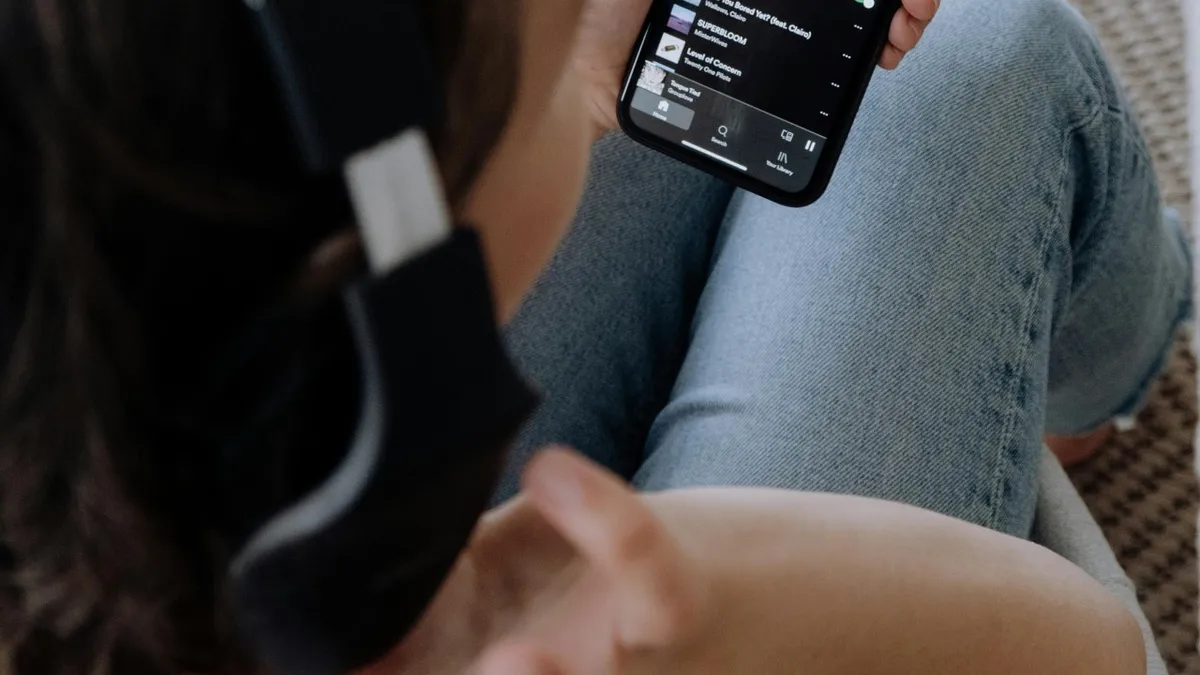
Music streaming giants like Spotify and Apple Music are prime examples of this shift. Initially hailed for democratizing access to music, they now increasingly prioritize sponsored content, inflate ad pricing, and divert revenue streams from artists—all signs of creeping enshittification. Add AI and fake bands leading the charts and streaming numbers, and, well, what a shitshow.
And the truth is, Spotify was never purely about democratizing music access. As Liz Pelly argues in Mood Machine, the platform was designed first and foremost as an advertising vehicle, with early deals structured to serve the interests of founders, major labels, and consultants—not the independent artists or listeners who were supposedly at the heart of its mission. From the start, the seeds of exploitation were baked in.
In economic terms, streaming platforms have created what’s known as a monopsony—a market where a handful of dominant buyers control access and dictate the terms for countless sellers. In this case, Spotify, Apple Music, and Amazon function as powerful gatekeepers, setting royalty rates and contract conditions that leave artists with little bargaining power. The result? Depressed payouts, a widening gap between platform profits and artist livelihoods, and a system where creativity is undervalued in favor of shareholder return. For musicians, what once looked like democratized access has become a marketplace of diminishing returns. If you haven’t yet read Luc Rinaldi’s recent piece about how unviable and unsustainable music is these days, I encourage you to do so.
Even for end users, what once felt like a creative utopia—push-button discovery, indie musicians reaching global audiences and vice versa—has started to degrade. Playlists skew toward content that’s cheaper to promote, algorithms increasingly favour money-making singles, and the user experience itself erodes under waves of ads and platform-controlled curation. As an active songwriter and recording artist myself, I experience this firsthand. The algorithms are constantly adding other artists’ tracks to my full albums, and even interjecting other artists by the same (or even similar) names into my catalog of tunes. On top of this, Spotify’s Discovery Mode now asks artists to accept reduced royalties in exchange for better algorithmic placement—essentially paying to be included in the very system that already underpays them. And, by the way, it doesn’t really make a meaningful difference in terms of reach or impact.
Streaming has turned what was once a deeply human exchange—artists sharing their work, listeners discovering and supporting it—into a system that devalues creators. The access that once felt priceless and empowering is now reduced to fractions of a cent per stream. A handful of dominant platforms hold the power, leaving artists with little say over how their music is shared or monetized, while the platforms capture the bulk of the value. What was meant to connect people and amplify creativity has instead become a mechanism of exploitation, stripping both art and artists of the recognition and reward they deserve.
Can we reverse the trend? Doctorow argues yes—with two big fixes:
- End-to-end transparency (For music: Let creators directly reach their fans; show them what they want, not just what algorithms dictate)
- Right of exit/interoperability (For music: Make it easy for artists and fans to move elsewhere without losing their work or connections)
In other words: if we want to align values and promises with actions and outcomes, we need platforms designed to serve the creatives and their fans—not only the shareholders.